Intro
What to Review Before Choosing Window Blind Alternatives
Window blinds combine slats, lift systems, tilt controls, headrails, cords, and mounting hardware. Replacing them is not a one-to-one style exercise. Curtains, roller shades, cellular shades, shutters, films, and exterior attachments each change privacy, view, edge gaps, daylight, cleaning, window operation, and thermal behavior differently. The best alternative for a street-facing bathroom may be a poor choice for a south-facing home office or an operable bedroom egress window.
Start with a room-by-room performance brief. State whether privacy is needed in daylight, after dark with interior lights on, or both. Record whether the goal is full blackout, reduced screen glare, softened daylight, reduced solar heat, insulation during cold weather, view preservation, or decoration. No single openness percentage, fabric color, or product label solves all of these goals at the same time.
Child safety is a threshold requirement, not an optional feature comparison. CPSC states that cordless coverings are the safest option where young children are present. Current CPSC business guidance says stock operating cords must be cordless, inaccessible, or short at eight inches or less, and inner cords must be inaccessible or too short to form a hazardous loop under referenced tests. Existing older coverings and continuous loops need direct review rather than cosmetic cord shortening alone.
Quick Answer
Quick Answer: Window Blind Alternatives
Window blind alternatives are usually compared by privacy, light control, room style, cleaning needs, installation method, child safety, and window shape. Curtains, shades, shutters, films, and layered treatments each solve different problems, so compare the room goal before choosing a covering.
- Window Blind Alternatives is best evaluated by comparing features, condition, fit, seller terms, total cost factors, and follow-up needs. This guide gives a clear overview, concise takeaways, and practical questions so readers can understand the main comparison factors without relying on exaggerated claims.
Key Takeaways
Key takeaways
Compare alternatives by privacy, light control, cleaning, safety, and installation.
- Room function matters because bedrooms, bathrooms, and living rooms need different coverage.
- Cordless and child-safe options should be reviewed where children or pets are present.
- Measure window depth, width, and mounting space before comparing products.
Search
Looking for another topic?
Quick checklist
Quick comparison checklist
Define privacy by time of day, required blackout, view preservation, glare direction, thermal goal, ventilation, cleaning, child or pet access, and visual style for each room.
- Measure width, height, depth, trim, handle projection, sill, crank, screen, radiator, furniture, door swing, and the clear path for the covering in at least three locations.
- Prefer cordless or inaccessible operating systems where children can be present and verify stock or custom product markings and applicable CPSC or ANSI/WCMA requirements.
- Compare inside versus outside mount, side and top gaps, stack height, roll diameter, fullness, hardware anchorage, motor and battery access, and emergency manual operation.
- Review AERC or other substantiated performance ratings, fabric openness or opacity, cleaning method, flame or moisture requirements where relevant, warranty years, exclusions, and replacement-part availability.
Main factors to compare
How to compare window coverings by room function, fit, safety, and operation
For an inside mount, measure clear width at the top, middle, and bottom and height at the left, center, and right. Record depth at the shallowest obstruction. Do not round or deduct unless the seller's written measuring method instructs it; manufacturers apply different production deductions. Check whether tilt-in sashes, crank handles, locks, screens, security sensors, and inward-opening windows can still operate after the headrail or cassette is installed.
- Measure the whole opening
- Compare light and privacy
- Treat cords as a safety system
Inside mount, outside mount, hardware depth, and window operation change the fit
For an outside mount, determine where brackets can fasten into suitable material and how far the covering should overlap the opening to manage side light and privacy. Measure trim projection, wall returns, adjacent corners, ceiling distance, crown molding, outlets, furniture, and door swings. A wider covering may reduce light gaps but can conflict with handles, cabinets, artwork, or the path of a patio door.
Record every window separately, even when openings look identical. Older houses can vary by more than the tolerance of a custom shade. Label photographs with room, orientation, window number, width, height, depth, and mount type. For expensive custom products, a professional measure can transfer some dimensional responsibility, but review who bears remake cost when trim, tile, or access differs from the survey.
Opacity, color, side gaps, exterior brightness, and nighttime lighting work together
Sheer fabric can preserve daylight and daytime view when exterior light is brighter, yet reverse privacy after dark when the room is illuminated. Light-filtering fabric softens brightness without necessarily hiding silhouettes. Room-darkening and blackout materials differ, and side gaps or top leakage can remain even with opaque fabric. Ask for a sample and test it against a lamp and window at the relevant time of day.
Roller and cellular shades can provide compact control, but inside-mounted products usually leave operating clearance at the sides. Side channels, an outside mount, layered curtains, or a second treatment can reduce gaps. Curtains need adequate width and overlap; fullness affects appearance and closure. Shutters provide adjustable louvers but still admit light around frames and between panels. Define acceptable leakage before ordering.
Glare control depends on orientation, season, screen position, and the location of the sun. A dark shade can improve view contrast but absorb more solar energy at the glass; a reflective exterior-facing surface may manage solar gain differently. Use movable samples or temporary paper mockups to test view and glare. Do not judge a window covering only from a showroom with diffuse lighting.
Cordless, inaccessible, short-cord, and continuous-loop designs have different requirements
CPSC warns that window-covering cord strangulation can occur quickly and silently. In homes with young children, the agency recommends cordless products. Move cribs, beds, furniture, and toys away from windows and cords. Do not assume that tying a long cord high removes all hazards; inner cords and loops can remain accessible as a covering changes position.
CPSC's section 15(j) guidance references ANSI/WCMA A100.1-2018 for stock and custom window coverings. Stock operating cords must be cordless, inaccessible, or short, while inner-cord and labeling provisions apply more broadly. Custom systems can involve other current requirements and court or rule history, so check the product's present compliance documentation instead of relying on an old showroom sample.
Continuous-loop systems require the specified tension or hold-down device and suitable anchorage, but CPSC has noted that incorrect or missing installation can undermine effectiveness. Motorized shades remove routine pull cords but add controls, batteries, charging, limit settings, and possible manual overrides. Verify that a power failure or dead battery does not trap a required egress path or prevent practical operation.
Evaluate energy claims
Climate, base window, deployment schedule, edge gaps, and ratings drive actual performance
Window attachments can change heat flow and solar gain, but results depend on the existing window, climate, orientation, season, and whether occupants actually deploy the covering. Lawrence Berkeley National Laboratory reports that some attachments save energy in specific climates while others can provide little benefit or perform worse than an unshaded window under certain heating-dominated conditions. A generic energy-saving percentage should not be transferred to every room.
The Attachments Energy Rating Council was developed with DOE and LBNL support to provide product-level energy performance ratings. Compare certified warm-climate and cool-climate values for the exact model when available, not just the product family. Ask whether the size, fabric, side track, mount, and operating configuration in the quote match the rated product. Ratings describe performance; they do not predict an exact utility bill.
Cellular shades can add insulating air spaces, while exterior shades and awnings intercept solar energy before it reaches the glass. Curtains and shutters depend strongly on fit and closure. Window film changes optical and thermal properties of the glazing and may affect insulated-glass or window warranties. Verify glass type, edge condition, film compatibility, and installer documentation before applying a film.
Compare materials and operation
Fabric, cells, shutters, films, motors, and hardware create different maintenance schedules
Fabric shades and curtains collect dust and may absorb kitchen aerosols, smoke, or bathroom humidity. Check whether the material is vacuum-only, spot-clean, hand-wash, or dry-clean and whether shrinkage changes finished dimensions. Cellular products can be difficult to clean inside the cells. Roller shade edges can fray or telescope when alignment is poor. Obtain care instructions before selecting a pale or textured material.
Wood shutters and woven shades can respond to humidity; synthetic shutters may better tolerate damp rooms but vary in thermal expansion, rigidity, and finish. Check panel weight, hinge count, frame anchorage, louver clearance, and whether the window can open. For a bathroom, compare privacy when wet, ventilation needs, corrosion-resistant hardware, and whether splashes can reach fabric or wood edges.
Motorization adds repeatable scheduling and access for high windows, but compare battery chemistry, charging interval, power supply, wire route, radio protocol, app dependency, hub, privacy terms, physical remote, limit adjustment, noise, manual override, and replacement motor access. Ask for the motor warranty separately from the fabric or shade warranty and identify who performs service after the original installer leaves the market.
Price the complete installation
Hardware, custom sizing, returns, wall repair, cleaning, and replacement determine ownership cost
Normalize quotes by window and by complete opening. Include headrail or cassette, brackets, side tracks, valance, rods, rings, tiebacks, remotes, hub, charger, freight, tax, professional measure, installation, removal, disposal, wall repair, and programming. A fabric price per square foot is not comparable with an installed shutter or motorized shade quote unless all supporting items are included.
Custom products often have restricted returns. Verify final dimensions, color, dye-lot variation, fabric orientation, control side, roll direction, mount, bracket finish, hem bar, motor location, and ship date before approval. Ask what happens if the product arrives damaged, differs from the signed specification, or cannot be installed because the measured depth was wrong. Keep samples and the signed order.
Compare written warranty years and exclusions for fabric fading, fraying, warping, motors, batteries, controls, cords, labor, freight, and removal. Lifetime wording may refer to the original purchaser and selected components only. Ask whether replacement fabric, brackets, remotes, motors, and repair technicians are expected to remain available. A simpler manual covering can be better value when parts and cleaning are easy.
Comparison Table
Window blind alternative comparison
Compare the complete attachment rather than the fabric or slat alone. Mounting position, edge gaps, operation, cords, hardware, cleaning, glass interaction, and occupant behavior determine practical performance.
| Window-covering option | What it controls well | Fit, safety, and ownership checks |
|---|---|---|
| Cordless roller shade | Compact roll and broad opacity choices provide straightforward light control; edge gaps and roll alignment affect blackout and privacy. | Inside or outside mount, finished width, fabric width, side gaps, roll direction, cordless force, child-safety markings, cleaning, cassette, and warranty. |
| Cellular shade | Cell structures can add thermal resistance and support light-filtering or blackout fabrics, while cells, gaps, and deployment determine performance. | AERC rating when available, cell count and size, side tracks, mount depth, fabric opacity, cordless or motor system, cleaning, condensation, and parts. |
| Curtains or lined drapes | Layered fabric can provide adjustable decoration, privacy, light control, and some insulation with enough overlap and closure. | Rod anchorage, stack width, fullness, lining, floor or sill clearance, center overlap, cleaning, humidity, flame requirements where applicable, and tieback safety. |
| Interior shutters | Rigid frames and movable louvers provide durable directional control and a furniture-like finish, with more permanent mounting and higher stack area. | Frame depth, panel swing, hinge support, louver clearance, window operation, moisture material, finish, child safety, cleaning, and repair parts. |
| Privacy or solar-control film | Film preserves the opening and can alter view, glare, UV, and solar properties, but nighttime privacy and glass compatibility vary. | Glass and coating type, insulated-unit warranty, thermal-stress review, visible-light transmission, reflectance, edge condition, installation, removal, and nighttime test. |
| Exterior shade or awning | Exterior placement can intercept sun before it reaches glass, while weather exposure, anchorage, wind, access, and local appearance rules increase complexity. | Orientation, wind rating, deployment control, fasteners and substrate, drainage, maintenance access, HOA or permit needs, motor protection, seasonal storage, and warranty. |
Pros & Cons
Pros and cons of common comparison paths
Cordless roller or cellular shade
- Compact appearance
- Cordless and motor options
- Broad light-control choices
- Side gaps can limit blackout
- Fabric cleaning can be restricted
- Custom sizes may have limited returns
Curtains or drapes
- Flexible sizing and layering
- Fabric can soften acoustics and appearance
- Hardware and panels can be replaced separately
- Need wall space to stack
- Collect dust and require cleaning
- Privacy and insulation depend on closure and overlap
Interior shutters
- Directional louver control
- Durable architectural appearance
- No loose operating cords on suitable designs
- Higher installed cost
- Panels occupy swing or stack space
- Frames can reduce clear opening and complicate window access
Window film
- Minimal interior projection
- Preserves use of curtains or shades
- Can address selected glare, UV, or privacy goals
- Nighttime privacy may reverse
- Glass compatibility and warranties require review
- Does not provide the tactile insulation or full blackout of some coverings
Questions to ask
Questions to answer before ordering a blind alternative
Create one window schedule with opening dimensions, trim, depth, obstructions, glass type, room use, privacy period, control method, and installation surface. Confirm every custom-order dimension and return condition in writing before production begins.
- Is the main goal privacy, light control, style, insulation, or safety?
- Does the room need moisture-resistant or easy-clean materials?
- Are cordless or child-safe designs needed?
- Will the product fit the window depth and mounting area?
- Can the treatment be removed or changed later?
When to be careful
When to be careful / Risk notes
Availability, condition, features, and terms can change quickly.
- Read seller details, return policies, warranty language, and exclusions carefully.
- Do not assume discounts, examples, or listings apply to every location or situation.
- For safety-sensitive or technical questions, seek qualified guidance before acting.
FAQ
Frequently asked questions
What should I compare in window blind alternatives?
Compare privacy, light control, cleaning, safety, style, window measurements, and installation method.
Are curtains a good blind alternative?
They can be, especially for softness and layered light control, but fabric, cleaning, and room moisture should be considered.
What is best for privacy?
Privacy depends on the room, daylight, nighttime lighting, opacity, and whether you need full coverage or filtered light.
Do measurements matter?
Yes. Window depth, trim, width, height, mounting style, and hardware clearance can change which options fit.
What safety details should I review?
Review cordless designs, cord cleats, child safety standards, and pet access where relevant.
Related articles
More guides to compare
 compare
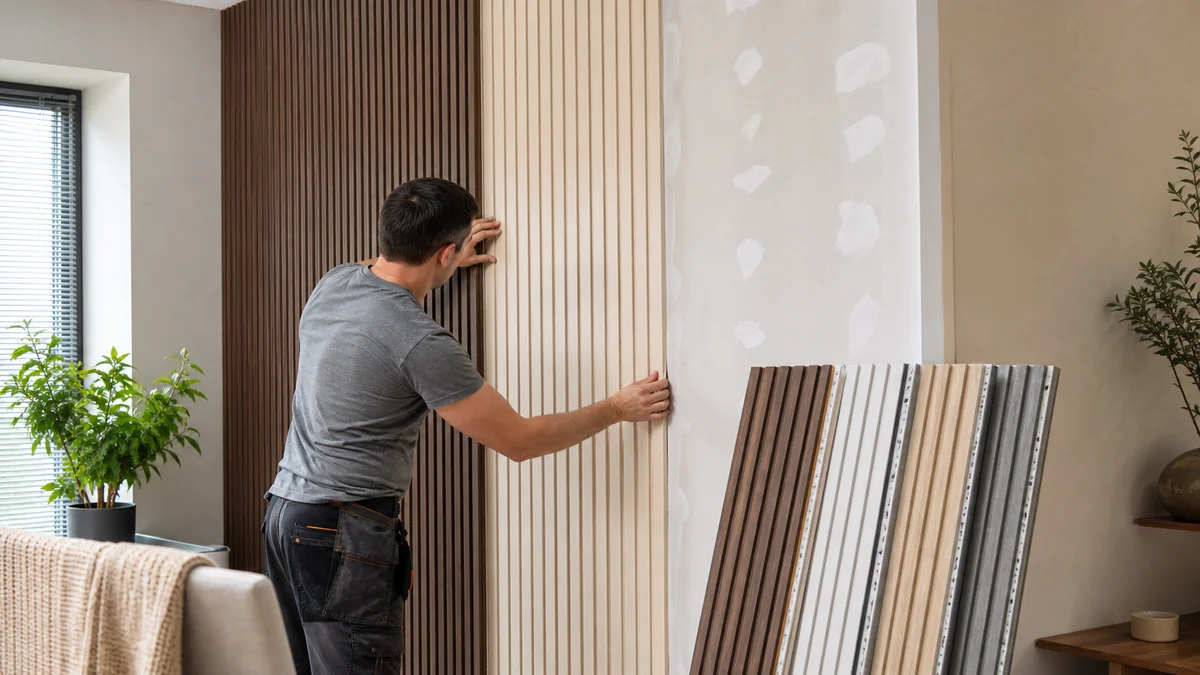
Plastic Wall Cladding
Plastic wall cladding is usually compared by material thickness, moisture resistance, finish, installation method, room fit, and cleaning needs. It can be practical for certain walls, but shoppers should review fire ratings, adhesive or fixing requirements, trim pieces, and whether the surface suits the intended room.
compare
Plastic Wall Cladding
Plastic wall cladding is usually compared by material thickness, moisture resistance, finish, installation method, room fit, and cleaning needs. It can be practical for certain walls, but shoppers should review fire ratings, adhesive or fixing requirements, trim pieces, and whether the surface suits the intended room.
 compare
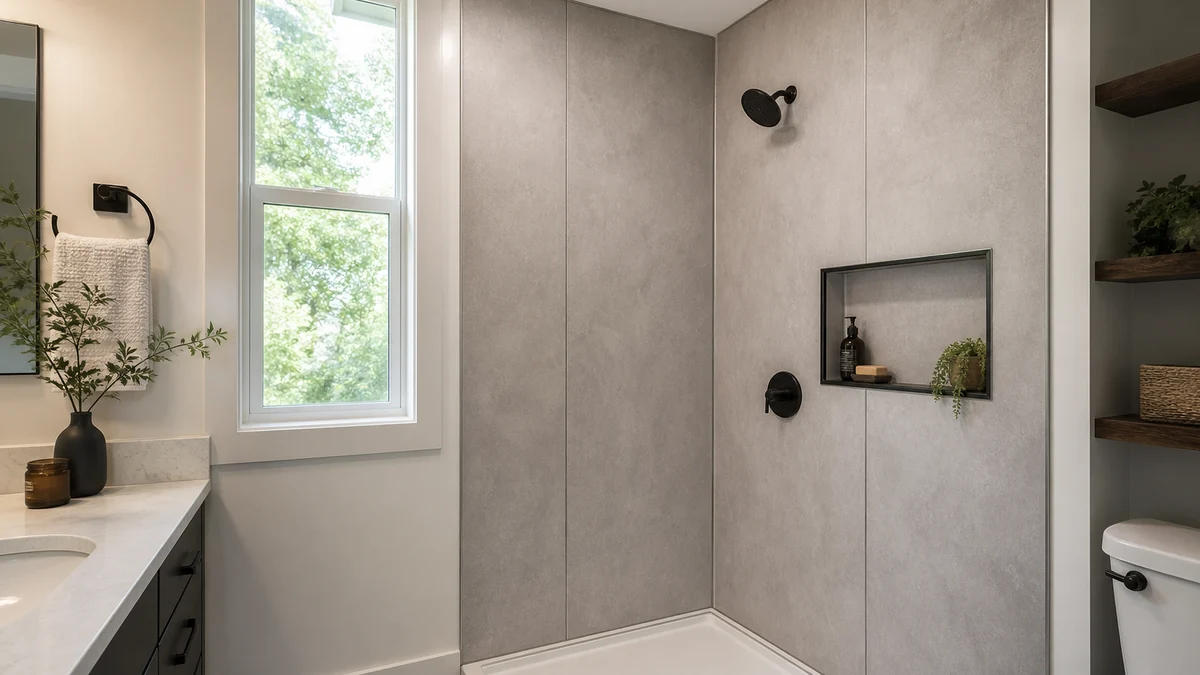
Bathroom Wall Panel Information
Bathroom wall panels are usually compared by moisture resistance, panel material, seam design, backing wall condition, installation method, cleaning needs, and trim details. Before choosing panels, review whether the system fits wet areas, how edges are sealed, and what maintenance is expected over time.
compare
Bathroom Wall Panel Information
Bathroom wall panels are usually compared by moisture resistance, panel material, seam design, backing wall condition, installation method, cleaning needs, and trim details. Before choosing panels, review whether the system fits wet areas, how edges are sealed, and what maintenance is expected over time.
 compare
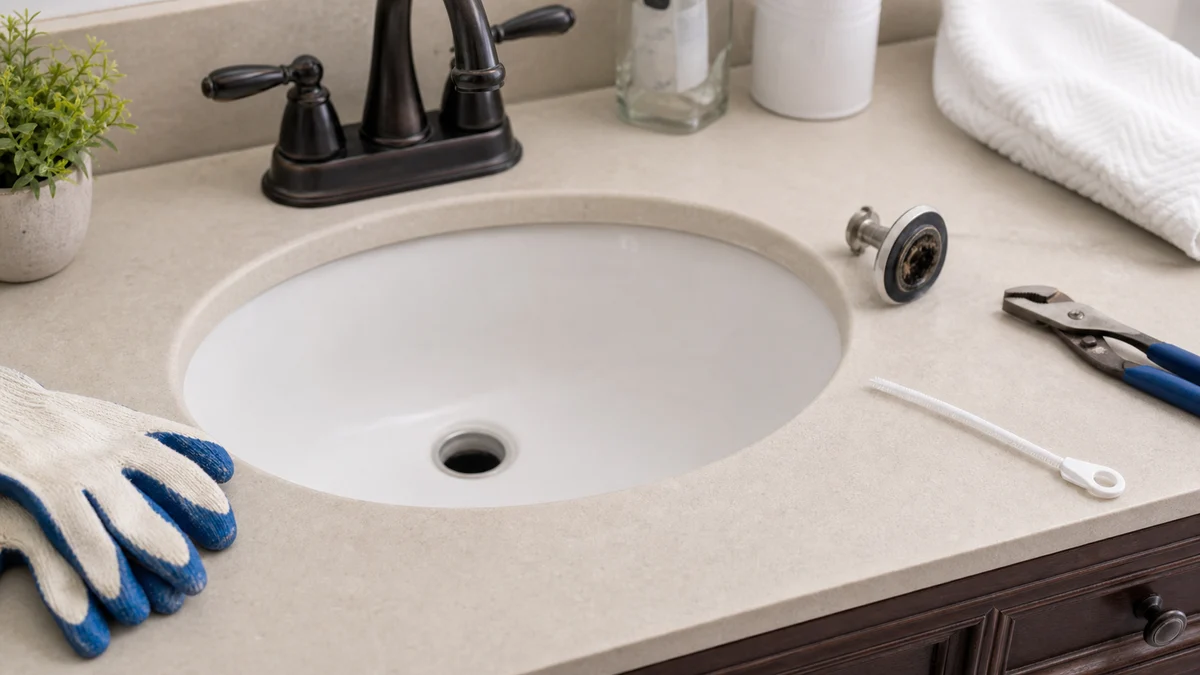
Bathroom Sink Drain Cleaning
Bathroom sink drain cleaning is usually compared by clog severity, slow-drain symptoms, trap access, product labels, tool choice, and when plumbing help is safer. Simple buildup may be manageable, but recurring clogs, leaks, sewer odor, or multiple slow drains should be treated more carefully.
compare
Bathroom Sink Drain Cleaning
Bathroom sink drain cleaning is usually compared by clog severity, slow-drain symptoms, trap access, product labels, tool choice, and when plumbing help is safer. Simple buildup may be manageable, but recurring clogs, leaks, sewer odor, or multiple slow drains should be treated more carefully.
Evidence references
Sources used for this guide
These sources address cord hazards, current stock and custom covering requirements, window-attachment energy ratings, climate-dependent performance, and laboratory methods. They do not rank a particular retailer or style.
- Window Covering Cords U.S. Consumer Product Safety Commission. Consumer guidance emphasizing cordless products and steps for reducing cord hazards around children.
- Window Blind Cords: Voluntary Standards U.S. Consumer Product Safety Commission. ANSI/WCMA A100.1 context, cord and loop hazards, installation concerns, and standards activity.
- Window Coverings 15(j) Rule Business Guidance U.S. Consumer Product Safety Commission. Current stock and custom window-covering cord, inner-cord, testing, and marking guidance.
- Residential Windows and Attachments Lawrence Berkeley National Laboratory. Research on window-attachment thermal and optical performance and climate-dependent energy effects.
- New Program Allows Certification of Window Attachment Energy Performance U.S. Department of Energy. AERC rating development, supported product categories, laboratory tools, and warm- and cool-climate rating context.
- Interior Cellular Shades Boost Home Energy Performance U.S. Department of Energy Building Technologies Office. Research summary on cellular-shade energy performance and climate comparisons.
- Window Types and Technologies U.S. Department of Energy Energy Saver. Window frames, glazing, low-emissivity coatings, U-factor, solar heat gain, and operation context.
Informational disclaimer
Informational disclaimer
This is an informational guide only and does not provide legal, financial, medical, professional, or official service advice.