Intro
What to Review Before Choosing Bathroom Wall Panel Information
Bathroom wall panel is a broad retail term. It can refer to interlocking PVC planks used on general bathroom walls, acrylic or composite shower-surround sheets, solid-surface panels, fiberglass-reinforced sheets, laminated boards, or decorative sheets intended only for dry locations. A waterproof-looking face is not proof that the full assembly is approved for direct shower spray. The technical data and installation instructions must name the use, substrate, joints, and required accessories.
Divide the room by exposure. A wall behind a vanity usually sees humidity and occasional splashes; a tub surround sees repeated wetting; a shower wall receives direct water, concentrated flow at corners, and penetrations around valves and accessories. Ceilings, steam showers, exterior walls, and walls containing plumbing add other conditions. Record these zones before comparing materials because a system suitable beside a basin may be unsuitable inside a shower.
The existing wall is part of the decision. Panels should not be used to hide active leaks, deteriorated gypsum, loose tile, corroded fasteners, microbial growth, or failed waterproofing. EPA guidance emphasizes controlling moisture at the source and drying or replacing damaged materials. Removal may reveal a larger repair scope, but concealing the condition makes later diagnosis harder and can increase the area affected.
Quick Answer
Quick Answer: Bathroom Wall Panel Information
Bathroom wall panels are usually compared by moisture resistance, panel material, seam design, backing wall condition, installation method, cleaning needs, and trim details. Before choosing panels, review whether the system fits wet areas, how edges are sealed, and what maintenance is expected over time.
- Bathroom Wall Panel Information is best evaluated by comparing features, condition, fit, seller terms, total cost factors, and follow-up needs. This guide gives a clear overview, concise takeaways, and practical questions so readers can understand the main comparison factors without relying on exaggerated claims.
Key Takeaways
Key takeaways
Compare bathroom panels by material, water resistance, seams, trims, and installation needs.
- The backing wall condition can affect whether panels are a practical option.
- Wet-area suitability and edge sealing are more important than appearance alone.
- Ask about ventilation, mold concerns, and installation requirements before choosing.
Search
Looking for another topic?
Quick checklist
Quick comparison checklist
Mark direct-spray zones, splash zones, dry walls, exterior walls, ceilings, tubs, shower trays, valves, niches, grab bars, and access panels on a measured drawing.
- Identify the existing substrate and document leaks, soft material, staining, failed grout, mold, corrosion, loose tile, and wall flatness before demolition or overcladding.
- Confirm that the complete panel system is intended for the exact wet-area use, including backing, adhesive, joints, corners, penetrations, and perimeter sealing.
- Review panel dimensions, usable coverage, movement instructions, fire documentation, VOC and setting information, cleaning limits, warranty years, and labor exclusions.
- Plan bathroom exhaust, drying time before use, future valve access, sealant inspection, replacement panels, and a documented maintenance schedule.
Main factors to compare
How to compare bathroom wall panels from substrate to finished joint
A panel face may absorb little water while joints, cut edges, adhesive voids, penetrations, or the backing wall remain vulnerable. Ask whether the system depends on sealed joints at the face, a separate membrane behind the panel, interlocking profiles, welded seams, or a combination. Obtain drawings for internal corners, external corners, tub lips, shower bases, ceilings, and transitions to painted walls or tile.
- Define the wet-area system
- Compare panel materials
- Inspect substrate and geometry
Water-resistant faces and water-managed assemblies are different claims
The 2024 International Residential Code addresses backers for tile in tub and shower areas and wall panels in shower areas, and requires installation in accordance with manufacturer recommendations. This makes the exact panel instructions important evidence, not optional marketing literature. Check the adopted edition locally because amendments and product-approval processes differ. Where a permit or inspection applies, confirm documentation before materials arrive.
Do not use the word waterproof without defining the tested assembly and boundary. Ask whether the claim applies to the panel material, the face joint, or the entire installed surround. Review hydrostatic, spray, joint, or other test information when provided, but do not invent equivalence between different tests. A successful lab joint does not correct an unsealed valve opening or a substrate that moves.
PVC, acrylic, solid-surface, FRP, and laminated panels solve different problems
Interlocking PVC panels are often light and can be cut with common tools specified by the maker. Their repeated seams and hollow or cellular profiles affect cleaning, accessory mounting, and impact. Thin decorative panels may telegraph a wavy substrate. Check whether the specific model is intended for shower enclosures or only for general interior walls, and whether joints require sealant in addition to the interlock.
Acrylic-faced and composite shower panels can create broad glossy or matte surfaces with fewer seams. The core may be mineral-filled, polymeric, or another composite, and large sheets need careful handling and accurate templating. Heat response, scratch appearance, edge finishing, adhesive, and expansion instructions differ. Solid-surface systems may allow field finishing or repair but can be heavier and require trained fabrication.
FRP and laminated panels may suit utility-style bathrooms or lower-splash locations depending on the product. A laminated decorative face can fail if water reaches an unprotected core, while a resin panel may require divider trims and a specific adhesive. Compare cut-edge sealing, core exposure, surface texture, cleanability, impact information, and warranty exclusions. Material family alone does not establish shower suitability.
Flat walls, stable backing, and accurate fixture locations reduce joint failure
Measure wall width and height at multiple locations and check plumb, level, squareness, and flatness. A large rigid sheet may bridge a shallow depression but can rock over a high spot; a flexible sheet may follow every defect. Compare the manufacturer's maximum substrate variation and preparation method. Do not force a flat panel across a bowed corner and expect sealant to absorb the geometry.
Identify gypsum board, cementitious backer, masonry, existing tile, plywood, or another substrate. Confirm that the panel and adhesive documents permit that surface and condition. Existing tile needs bond, cleanliness, and flatness evaluation; glossy or contaminated faces may need removal or approved preparation. New cementitious materials may have setting-period and alkalinity limits. Any backing damaged by water should be evaluated before it is covered.
Map pipes, valves, electrical items, framing, grab-bar reinforcement, shower doors, seats, niches, shelves, and accessories. Penetrations can concentrate stress and water. Use manufacturer clearances, hole shapes, backing requirements, and trim details. Preserve required valve and plumbing access. Photograph framing and services with dimensions before the surface closes so future work does not rely on guesswork.
Control joints and curing
Corners, penetrations, perimeters, and setting conditions carry most of the installation risk
Lay out joints away from high-flow areas when the system permits and balance narrow cuts. Confirm whether panels overlap, click together, use H trims, receive a welded joint, or require a sealant gap. Internal corners may use a folded sheet, prefabricated trim, or field sealant. Each detail has a sequence. Mixing a panel from one system with generic trim or sealant from another can remove the compatibility evidence.
Adhesive performance depends on substrate, trowel pattern, coverage, temperature, humidity, open time, working time, and pressure. Sealants have joint-size, tooling, adhesion, and setting requirements. Record the lot numbers and expiration dates. Do not expose the installation to shower water before the published setting period ends. Cool or humid conditions can extend that period even when the surface feels dry.
Use templates for valves and irregular walls, and verify every dimension before cutting. Large sheets may expand with temperature and need specified perimeter space. Tight cuts around pipes can crack or buckle; oversized holes can leave too little bonding area. Inspect each penetration before escutcheons hide it. At handover, photograph joints and provide the owner with curing, cleaning, and inspection instructions.
Ventilation and drying
Panels reduce surface maintenance but do not remove humidity from the room
Bathing releases moisture to air as well as to walls. An impervious panel can be easy to wipe while mirrors, ceilings, window frames, and exterior-wall cavities still experience condensation. ASHRAE Standard 62.2 addresses residential ventilation and local exhaust at the dwelling-system level. Confirm that the fan exhausts outdoors, air can enter under or around the door, and the control strategy is practical for occupants.
Look for recurring condensation, peeling ceiling paint, musty odor, stained caulk, or a fan that is noisy and rarely used. Those observations may justify ventilation testing or qualified assessment before cosmetic work. A larger nominal fan does not establish delivered airflow when ducts are long, crushed, undersized, or poorly terminated. Panel selection should not be used to postpone investigation of the moisture source.
After use, follow the panel maker's cleaning and drying guidance. Squeegeeing broad surfaces can reduce residue, but joints and ledges still need inspection. Keep vents and weep paths open where the system uses them. If a steam generator, body sprays, or unusually high water exposure is planned, obtain written confirmation that the system and substrate are intended for that service.
Fire, air quality, and ownership
Test reports, product emissions, warranties, and repair access complete the comparison
Interior finishes can be subject to flame-spread and smoke-developed limits. ASTM E84 reports comparative indices under a controlled ten-minute exposure and does not establish noncombustibility. Ask for documentation matching panel thickness, mounting, backing, and adhesive. Decorative film, foam core, or field coating may create a different assembly. Local code review is especially important in multifamily, commercial, exit, or fire-rated locations.
Review adhesives, primers, sealants, cleaners, and any surface treatment for VOC and ventilation instructions. EPA notes that product labels and adequate ventilation matter when using materials that emit volatile organic compounds. A panel described as low emitting does not automatically cover every component. Schedule work and reoccupancy from the most restrictive product instruction, and keep safety data available during installation.
Compare the written warranty period and what it actually covers. Record exclusions for improper substrate, ventilation, sealant maintenance, staining, scratches, color variation, labor, freight, and removal. Ask whether a matching replacement panel can be ordered years later and how a concealed valve is accessed. A bathroom panel system is easier to own when its seams can be inspected, damaged parts can be replaced, and the maintenance record is clear.
Comparison Table
Bathroom wall-panel assembly comparison
Compare panels as assemblies. The visible sheet, backing material, joint geometry, perimeter seal, fixture penetration, ventilation, and maintenance instructions must work together in the intended wet or dry location.
| Panel or wall approach | Where performance comes from | What to verify for the bathroom |
|---|---|---|
| Interlocking PVC bathroom panel | Repeated profiles can simplify modular installation, but joint count, hollow sections, movement, and accessory support need review. | Direct-spray approval, actual coverage, substrate, fasteners or adhesive, joint sealant, corners, movement gaps, fire report, and cleaning limits. |
| Large acrylic-faced shower panel | Broad sheets reduce face joints and provide a consistent finish; templating, expansion, scratch response, and adhesive coverage are critical. | Core construction, sheet dimensions, wet-area use, edge treatment, adhesive, setting time, penetration details, heat limits, and replacement matching. |
| Solid-surface wall panel | Dense homogeneous material may support finished edges and repair, while weight, fabrication, seam method, and backing increase installation demands. | Thickness, mass, seam adhesive, support, installer requirements, cutout rules, surface repair, cleaning, warranty, and structural backing. |
| FRP or hygienic sheet | A washable face may fit utility-oriented bathrooms; trim joints, surface texture, substrate, and exact product rating control suitability. | Panel grade, adhesive and primer, divider trims, corners, expansion, direct-water use, fire documentation, disinfectant limits, and impact repair. |
| Panel over existing tile | Can reduce demolition only when the tile is sound, dry, sufficiently flat, clean, and accepted by the system manufacturer. | Bond survey, hidden moisture, wall geometry, primer, added thickness, fixture clearances, edge transitions, setting period, and future removal. |
| Remove and rebuild wet-area wall | Allows inspection and correction of backing, plumbing, framing, and waterproofing before the finish is installed. | Demolition scope, hazardous-material screening where applicable, new backer, membrane or panel system, permits, inspection, schedule, and disposal. |
Pros & Cons
Pros and cons of common comparison paths
Interlocking PVC panel system
- Smaller pieces are easier to move through the home
- Many finish and trim combinations
- Potentially straightforward local panel replacement
- More repeated joints
- Profiles can limit mounting support
- Direct-shower suitability varies by product
Large acrylic or composite sheets
- Few visible field joints
- Broad easy-clean surface
- Contemporary finish options
- Accurate templating is essential
- Large sheets need careful access and handling
- Scratches and replacement matching can be visible
Solid-surface panels
- Finished edges and integrated appearance
- Repair may be possible on some materials
- Durable broad surface when properly supported
- Higher weight
- Special fabrication tools or installers may be needed
- Material and labor scope can be substantial
Paneling over existing finish
- May reduce demolition
- Shorter visible construction phase in suitable rooms
- Can cover an unfashionable but sound surface
- Can conceal unknown defects
- Adds thickness around fixtures and trims
- Future removal may damage both layers
Questions to ask
Questions to answer before choosing a bathroom wall-panel system
Ask for a room-specific proposal that identifies wet and dry zones, the existing substrate, preparation, panel product, adhesive or fasteners, every trim and sealant, setting time, ventilation needs, and access around fixtures. A panel-only quotation is not a complete installation scope.
- Is the panel system rated for wet bathroom areas?
- How are seams, corners, and edges sealed?
- Does the existing wall need repair before installation?
- What cleaning products are recommended or discouraged?
- Will panels affect future access to plumbing or fixtures?
When to be careful
When to be careful / Risk notes
Availability, condition, features, and terms can change quickly.
- Read seller details, return policies, warranty language, and exclusions carefully.
- Do not assume discounts, examples, or listings apply to every location or situation.
- For safety-sensitive or technical questions, seek qualified guidance before acting.
FAQ
Frequently asked questions
What should I compare in bathroom wall panels?
Compare moisture resistance, material, seam design, trim pieces, backing wall condition, installation method, and cleaning requirements.
Are bathroom wall panels a tile replacement?
They can be a tile alternative in some bathrooms, but wet-area rating, sealing, and wall condition should be reviewed carefully.
Do panels prevent moisture problems?
Panels can help create a washable surface, but they should not be used to hide active leaks, mold, or damaged backing walls.
What installation details matter most?
Measurements, wall flatness, adhesive or fastening method, corners, trims, fixture openings, and edge sealing matter.
When should I ask a professional?
Ask when there is moisture damage, mold concern, plumbing access, uneven walls, or uncertainty about wet-area installation.
Related articles
More guides to compare
 compare
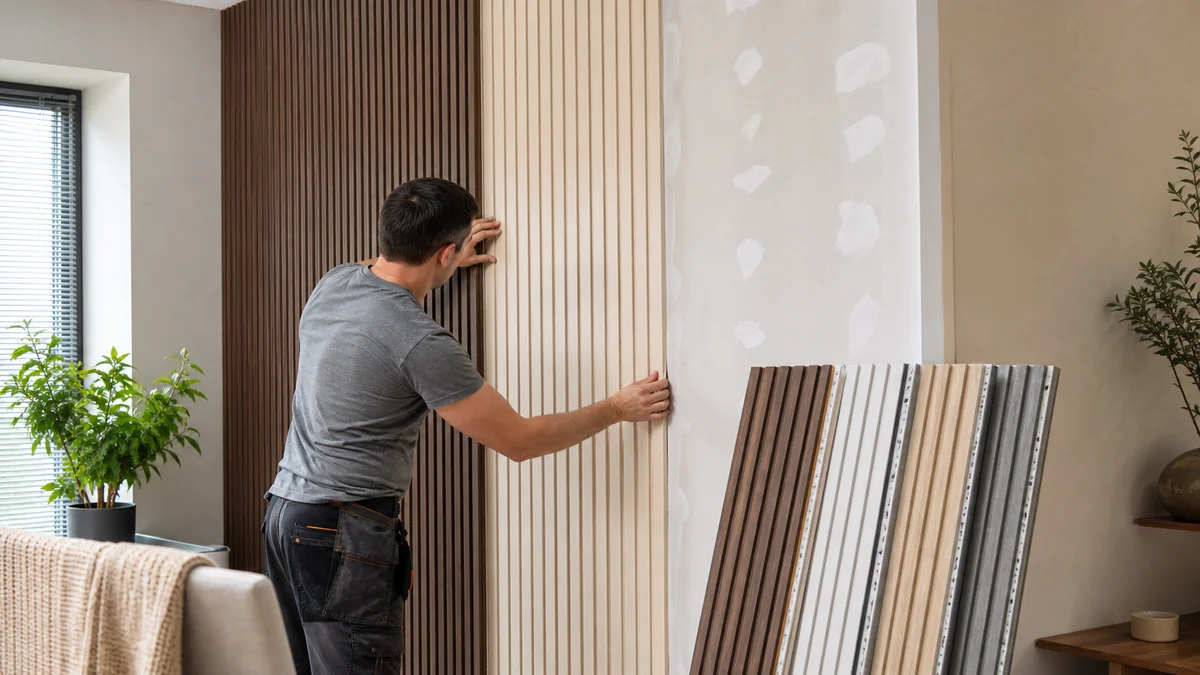
Plastic Wall Cladding
Plastic wall cladding is usually compared by material thickness, moisture resistance, finish, installation method, room fit, and cleaning needs. It can be practical for certain walls, but shoppers should review fire ratings, adhesive or fixing requirements, trim pieces, and whether the surface suits the intended room.
compare
Plastic Wall Cladding
Plastic wall cladding is usually compared by material thickness, moisture resistance, finish, installation method, room fit, and cleaning needs. It can be practical for certain walls, but shoppers should review fire ratings, adhesive or fixing requirements, trim pieces, and whether the surface suits the intended room.
 compare
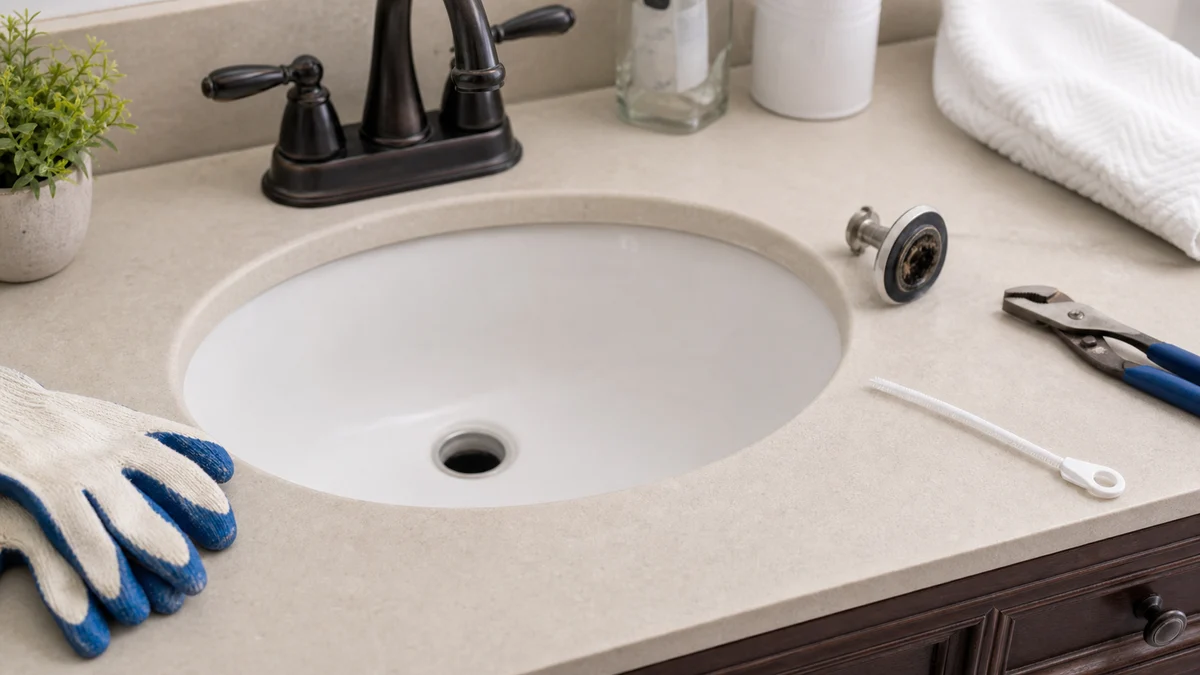
Bathroom Sink Drain Cleaning
Bathroom sink drain cleaning is usually compared by clog severity, slow-drain symptoms, trap access, product labels, tool choice, and when plumbing help is safer. Simple buildup may be manageable, but recurring clogs, leaks, sewer odor, or multiple slow drains should be treated more carefully.
compare
Bathroom Sink Drain Cleaning
Bathroom sink drain cleaning is usually compared by clog severity, slow-drain symptoms, trap access, product labels, tool choice, and when plumbing help is safer. Simple buildup may be manageable, but recurring clogs, leaks, sewer odor, or multiple slow drains should be treated more carefully.
 compare
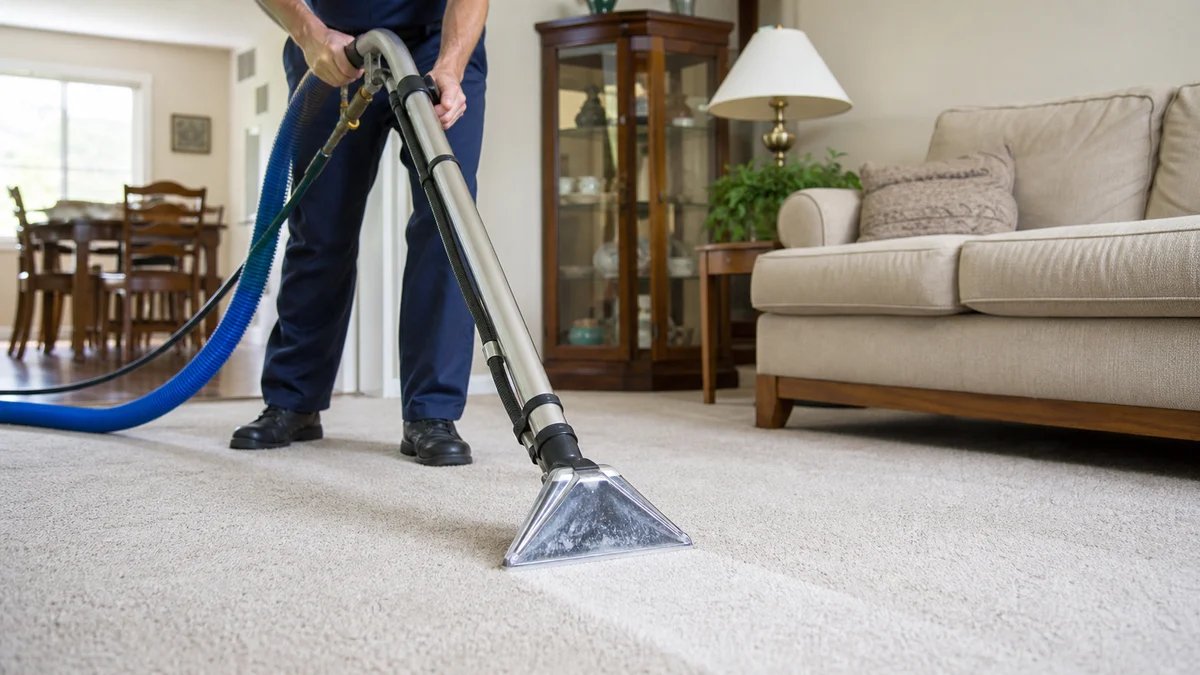
Senior Carpet Cleaning Discounts
Senior carpet cleaning discounts are best compared by eligibility rules, service package details, room count, stain or odor add-ons, travel fees, scheduling, and whether the discount changes the final terms. Ask providers to explain what is included before assuming the lowest advertised price is the best fit.
compare
Senior Carpet Cleaning Discounts
Senior carpet cleaning discounts are best compared by eligibility rules, service package details, room count, stain or odor add-ons, travel fees, scheduling, and whether the discount changes the final terms. Ask providers to explain what is included before assuming the lowest advertised price is the best fit.
Evidence references
Sources used for this guide
These sources explain shower-area backing requirements, fire-test classifications, building moisture control, mold prevention, and residential ventilation. They do not approve a brand; verify the adopted local code and exact manufacturer system.
- 2024 International Residential Code: Chapter 7 Wall Covering International Code Council. Residential provisions for interior coverings and materials used as backers and wall panels in tub and shower areas.
- Moisture Control Guidance for Building Design, Construction and Maintenance U.S. Environmental Protection Agency. Building moisture-control guidance for walls, construction materials, operation, and maintenance.
- A Brief Guide to Mold, Moisture and Your Home U.S. Environmental Protection Agency. Consumer guidance on moisture-source correction, drying, cleanup scope, and professional assistance.
- ANSI/ASHRAE Standard 62.2 Scope ASHRAE. Purpose and scope of current residential ventilation and acceptable indoor-air-quality requirements.
- ASTM E84: Surface Burning Characteristics of Building Materials ASTM International. Scope, comparative indices, specimen mounting, and limitations of the surface-burning test.
- 2024 International Fire Code: Chapter 8 Interior Finish International Code Council. Interior finish and trim test paths and documentation provisions.
- Volatile Organic Compounds' Impact on Indoor Air Quality U.S. Environmental Protection Agency. Guidance on VOC sources, product use, ventilation, and indoor exposure reduction.
Informational disclaimer
Informational disclaimer
This is an informational guide only and does not provide legal, financial, medical, professional, or official service advice.