Intro
What to Review Before Choosing Portable Swimming Pool
Portable pools range from small fill-and-empty play pools to framed models thousands of gallons in volume. CPSC notes that inflatable pools can reach about 20 feet in diameter and 5,000 gallons. Using the USGS figure of 8.34 pounds per gallon, 5,000 gallons of water weighs about 41,700 pounds before the frame, liner, equipment, and swimmers are added. That calculation explains why a nearly level, stable, manufacturer-approved surface is a safety and structural requirement rather than a cosmetic preference.
Removable does not mean unregulated or low risk. Barriers, setbacks, permits, electrical work, drainage, and HOA rules can apply based on water depth, wall height, capacity, equipment, or local definitions. Ask the building, zoning, electrical, and health authorities which rules apply before ordering. Do not rely on a retailer's statement that no permit is needed; the seller may not know the location or adopted code.
Child access must be designed before the pool is filled. CPSC's Pool Safely materials call for layers such as four-foot barriers, self-closing and self-latching gates, alarms, covers, supervision, and control of above-ground ladders. A removable ladder alone may not solve access if a frame strap, nearby furniture, deck, pump, toy, or landscaping feature creates another foothold. Walk the entire perimeter from a child's height and repeat the inspection during the season.
Quick Answer
Quick Answer: Portable Swimming Pool
Portable swimming pool options are usually compared by size, frame type, yard surface, setup difficulty, filtration, storage, maintenance, safety barriers, and local rules. Before buying, confirm the pool fits the space, weight, water access, supervision needs, and seasonal storage plan.
- Portable Swimming Pool is best evaluated by comparing features, condition, fit, seller terms, total cost factors, and follow-up needs. This guide gives a clear overview, concise takeaways, and practical questions so readers can understand the main comparison factors without relying on exaggerated claims.
Key Takeaways
Key takeaways
Compare portable pools by size, frame, surface requirements, setup, and storage.
- Water weight, leveling, drainage, and safety supervision matter before purchase.
- Filter, cover, chemicals, ladder, and ground cloth may change total cost.
- Check local rules, HOA requirements, and child safety considerations.
Search
Looking for another topic?
Quick checklist
Quick comparison checklist
Measure the level usable site, filled pool footprint, frame or buttress width, ladder zone, barrier clearance, equipment area, and a route that remains open for emergency access.
- Multiply stated gallons by approximately 8.34 pounds to estimate water weight, then add the pool, equipment, and users before evaluating the supporting surface.
- Check current CPSC recalls, model and date codes, external straps or footholds, ladder design, barrier plan, alarms, cover type, supervision, and removal or emptying plan.
- Confirm pump and electrical instructions, GFCI-protected supply, cord route, bonding or other professional requirements, filter turnover, replacement cartridges, and equipment weather limits.
- Budget test supplies, sanitizer, pH control, cover, barrier, ladder controls, cleaning tools, water, energy, drainage, repairs, winter storage, and adult maintenance time.
Main factors to compare
How to compare a portable pool by site, water load, access, and upkeep
Use the manufacturer's filled dimensions, not only the nominal diameter printed on the model name. Frame legs, side supports, hoses, pump equipment, ladder landing, and bowed walls can extend beyond the water area. Mark the complete footprint on the ground and leave the specified clearance from structures, slopes, fences, utilities, overhead lines, trees, and objects that can be climbed. Confirm a safe route around every side.
- Size the filled system
- Prepare the site
- Prevent unsupervised access
Footprint, volume, depth, and water load matter more than box dimensions
Calculate water load from the stated capacity. At 8.34 pounds per gallon, a 1,000-gallon pool holds about 8,340 pounds of water; 3,000 gallons holds about 25,020 pounds. This is a calculation, not a site approval. Decks, balconies, roofs, filled basements, improvised platforms, recently backfilled soil, septic areas, and retaining-wall zones require professional evaluation and may be prohibited by the manual or local rules.
Depth changes use and access but does not remove drowning risk at lower levels. Compare actual maximum water depth, wall height, age restrictions, entry method, non-swimmer use, and whether an adult can see the entire water surface from the supervision position. Inflatable rings and soft walls can lose shape if underinflated, overinflated, punctured, or loaded by a person leaning on them.
Leveling means removing high spots and following the manual, not propping up one side
Check slope over the entire support area with a long level, laser, or method appropriate to the project. Follow the model's stated tolerance. Do not use loose blocks, stacks of pavers, scrap lumber, or point supports under frame legs unless the manufacturer explicitly details that installation. Uneven water load can distort walls and frames, concentrate force, and cause one side to be deeper than intended.
Remove sharp objects, roots, stones, branches, and incompatible vegetation. Determine whether the manual permits soil, compacted base, concrete, protective ground cloth, foam, sand, or another surface. Some materials wash out, retain water, settle, or react with the liner. Plan how rainwater will move around the site so the base does not erode or become a muddy access route.
Locate underground utilities, irrigation, septic components, drainage paths, and property boundaries before excavation or staking. Filling and draining can affect neighbors and landscapes. Test the fill hose route and estimate fill time without leaving the pool unattended. Confirm that the property water supply, restrictions, and discharge rules allow the planned volume.
Barriers, ladder controls, covers, alarms, and active supervision are separate layers
Pool Safely recommends a non-climbable barrier at least four feet high around residential pools and spas, with self-closing, self-latching gates, while emphasizing local requirements. The house should not silently become an unprotected side. Door or pool alarms and a safety cover can add layers, but no device replaces active adult supervision. Designate a Water Watcher whose only task is watching swimmers.
Above-ground and portable ladders need a plan when the pool is not in use. Removal, locking, or a barrier around steps may be necessary, but inspect the entire exterior for alternate footholds. In 2025, CPSC announced a recall covering about five million pools 48 inches and taller whose exterior compression straps could provide child access; nine deaths were reported in the recall notice. Check brand, model, year, strap design, and current remedy before use.
In June 2026, CPSC reported 128 fatal drowning incidents involving children under five between 2020 and 2025 in cases where ladders were reported or believed to have enabled access to above-ground or portable pools. The agency also noted that a measurable child-resistant ladder definition was not yet established. Treat ladder marketing as one detail, not as proof that the pool is inaccessible.
Manage water and chemicals
Filtration, disinfectant, pH, testing, and bather behavior form one routine
CDC guidance lists typical ranges of 1–4 parts per million chlorine or 3–8 parts per million bromine and pH 7.0–7.8, while directing users to follow the sanitizer manufacturer. CDC recommends checking disinfectant and pH at least twice per day and more often during heavy use. A small filter does not measure chemistry, and clear water is not proof that germs are controlled.
Match filter type and rated flow to the exact pool. Compare pump flow, cartridge or media size, hose connections, skimming, replacement interval, cleaning procedure, daily run time, power consumption, and the availability of parts. Low circulation can create dead zones; excessive suction or incorrect fittings can add risk. Never modify drain, suction, or return components outside the product instructions.
Pool chemicals can cause fires, toxic vapor releases, and injuries when contaminated or mixed. EPA and CDC advise dry, separated storage; original labeled containers; clean dedicated tools; ventilation; and following label instructions. Never mix chlorine products with acids, other chlorine products, or unknown residues. Add chemicals only as directed and keep children and pets away from storage and dosing areas.
Plan electricity and weather
Pumps, cords, GFCI protection, storms, and wind need product-specific controls
Water and electricity require conservative planning. Follow pump and pool instructions for receptacle type, GFCI protection, cord length, placement, and service. CPSC warns about faulty wiring, ungrounded equipment, appliances, and extension cords around pools. Do not route ordinary household cords across wet walking areas or place radios, chargers, lighting, or other cord-connected devices near the water.
Have a qualified electrician review the installation when a new receptacle, long circuit, bonding, damaged wiring, repeated GFCI trip, or uncertain outdoor equipment is involved. Test GFCI devices according to manufacturer and safety guidance. Keep plugs and connections dry and do not modify pump cords. A pump with the correct plug still needs an installation that complies with local electrical rules.
Compare wind, storm, temperature, and freeze instructions. An empty or partially drained pool can behave differently in wind, while an overfilled pool can wash out the base. Establish who will lower water, disconnect equipment, remove covers, or fully drain the pool before severe weather. Never enter or approach the pool during lightning. Cold-weather storage should follow the liner, frame, pump, and chemical instructions.
Own the full season
Maintenance time, drainage, recalls, repairs, and storage determine long-term fit
Build a weekly ownership schedule covering testing, dosing, filtration, debris removal, liner and frame inspection, barrier and gate checks, ladder control, cover condition, and equipment noise or leaks. Log results. A pool that is simple to assemble can still require daily attention during hot weather or heavy use. Decide who performs each task before the first fill.
Inspect the model number and CPSC recall database at purchase and each season. Examine seams, liner patches, frame corrosion, leaning legs, straps, hose clamps, pump housings, power cords, ladders, gate latches, and covers. Stop using the pool when structural distortion, leakage near electrical equipment, a recall condition, missing safety component, or unexplained water loss appears. Use manufacturer-authorized repair methods.
Drainage must not flood a building, undermine the base, damage neighboring property, overwhelm a septic system, or send chemically treated water where prohibited. Confirm local discharge guidance and dechlorination needs. Dry every component before storage, label small parts, protect liners from rodents and sharp folds, keep chemicals in their approved conditions, and record which replacement cartridges, hoses, or patches will be needed next season.
Comparison Table
Portable pool type and ownership comparison
Compare the filled pool, not the empty package. Volume, water weight, frame geometry, ladder access, filtration, barrier needs, electrical supply, chemical routine, drainage, and storage determine the real fit.
| Pool or planning option | Main use and tradeoff | What to verify before filling |
|---|---|---|
| Small fill-and-empty pool | Low volume can simplify draining and storage, but close supervision, emptying, sanitation, and child access remain daily tasks. | Filled dimensions and depth, age guidance, surface, empty-after-use instructions, tip resistance, drainage location, storage, and barrier needs. |
| Inflatable top-ring pool | Flexible walls and a rising ring reduce rigid frame parts, while inflation, puncture, wall loading, and site level strongly affect shape. | Capacity, water load, air-pressure guidance, liner and ring repair, slope tolerance, filter, ladder, barrier, fill line, recalls, and wind instructions. |
| Metal-frame portable pool | Rigid legs and rails support larger volumes; external braces, straps, corrosion, base settlement, and assembly accuracy need regular inspection. | Complete footprint, frame layout, leg support, capacity, water load, strap or foothold design, ladder, recall status, filter, barrier, and winter storage. |
| Large above-ground portable pool | Greater depth and volume support broader use but increase site, water, barrier, electrical, chemical, and drainage demands. | Permit and local definition, ground preparation, access control, pump circuit, water chemistry, structural inspection, drain fittings, service parts, and removal plan. |
| Barrier, alarm, and safety-cover package | Multiple layers reduce unsupervised access risk only when correctly installed, tested, maintained, and combined with supervision. | Four-foot or local height rule, climb resistance, gate direction and latch, alarms, cover type and rating, ladder control, inspection, and emergency access. |
| Seasonal maintenance plan | A written routine makes chemistry, filtration, access control, inspection, recalls, and storage visible to the household. | Responsible adult, test frequency, target ranges, dosing records, filter schedule, barrier checks, electrical observations, closure criteria, and supply availability. |
Pros & Cons
Pros and cons of common comparison paths
Small fill-and-empty pool
- Lower water volume
- Simple seasonal storage
- No permanent equipment on some models
- Must be emptied and stored consistently
- Water can become contaminated quickly
- Shallow water still presents drowning risk
Inflatable top-ring pool
- Relatively compact packaging
- Fewer rigid frame pieces
- Multiple common sizes
- Puncture and inflation condition affect shape
- Soft walls can be leaned on
- Leveling and barrier requirements remain substantial
Metal-frame pool
- Broader size and depth options
- Replaceable frame components on some models
- Supports filtration systems
- Large filled load
- More parts, legs, and access points to inspect
- Corrosion, settlement, and recall checks are ongoing
Larger portable above-ground system
- More swimming area
- Stronger circulation options
- Can serve repeated seasonal use
- Higher water, energy, chemical, and safety workload
- Local approvals and electrical work may apply
- Draining and storage are major projects
Questions to ask
Questions to answer before buying or filling a portable swimming pool
Write down the model, capacity, filled dimensions, water depth, required clearances, electrical equipment, barrier plan, drainage route, and local approvals. The buying decision is incomplete until the household can maintain every safety layer for the full season.
- Is the yard surface level and strong enough for the water weight?
- What filter, cover, ladder, chemicals, or ground cloth are included?
- How will the pool be drained and stored?
- Are fencing, supervision, HOA, or local safety rules relevant?
- Can the setup be maintained throughout the season?
When to be careful
When to be careful / Risk notes
Availability, condition, features, and terms can change quickly.
- Read seller details, return policies, warranty language, and exclusions carefully.
- Do not assume discounts, examples, or listings apply to every location or situation.
- For safety-sensitive or technical questions, seek qualified guidance before acting.
FAQ
Frequently asked questions
What should I compare in portable swimming pools?
Compare size, frame type, yard surface, filter, setup, storage, safety needs, and local rules.
Does ground leveling matter?
Yes. Portable pools hold heavy water, and uneven ground can stress the frame or liner.
What extras should I budget for?
Review filters, covers, ladders, chemicals, test strips, ground cloth, repair patches, and storage supplies.
Are portable pools regulated?
Some areas or HOAs have rules for fencing, drainage, supervision, or pool height, even for removable pools.
Is maintenance required?
Yes. Water quality, filtration, covers, cleaning, and safe storage should be part of the comparison.
Related articles
More guides to compare
 compare
Plastic Wall Cladding
Plastic wall cladding is usually compared by material thickness, moisture resistance, finish, installation method, room fit, and cleaning needs. It can be practical for certain walls, but shoppers should review fire ratings, adhesive or fixing requirements, trim pieces, and whether the surface suits the intended room.
compare
Plastic Wall Cladding
Plastic wall cladding is usually compared by material thickness, moisture resistance, finish, installation method, room fit, and cleaning needs. It can be practical for certain walls, but shoppers should review fire ratings, adhesive or fixing requirements, trim pieces, and whether the surface suits the intended room.
 compare
Bathroom Wall Panel Information
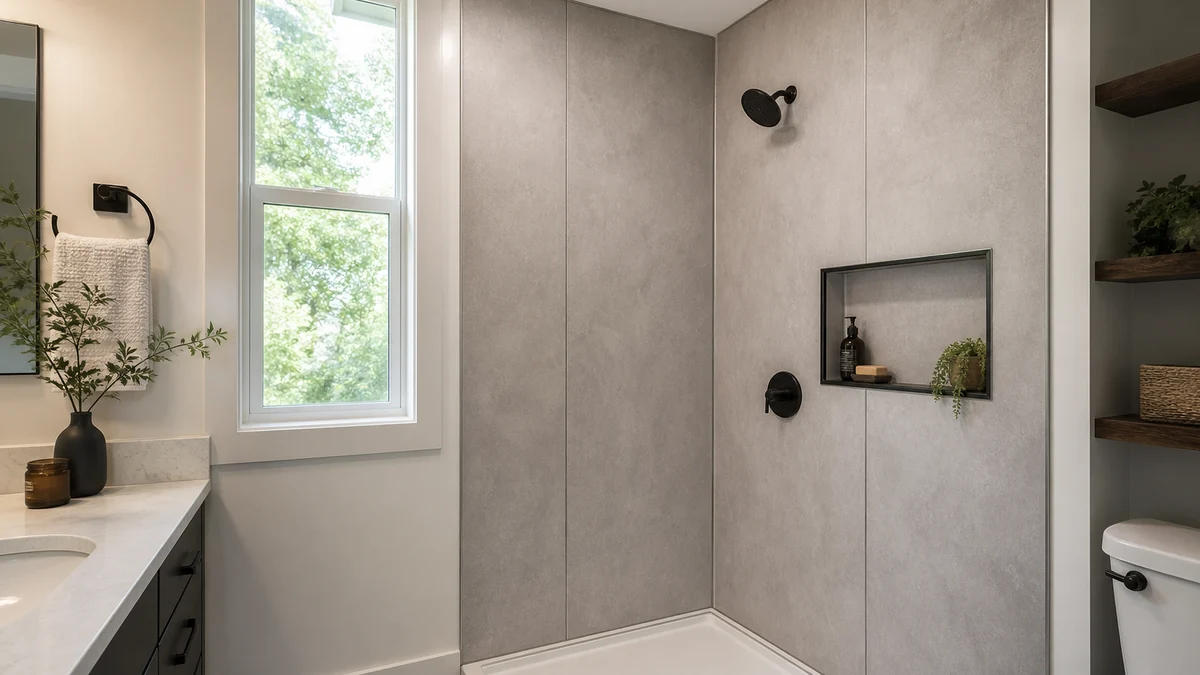
Bathroom wall panels are usually compared by moisture resistance, panel material, seam design, backing wall condition, installation method, cleaning needs, and trim details. Before choosing panels, review whether the system fits wet areas, how edges are sealed, and what maintenance is expected over time.
compare
Bathroom Wall Panel Information
Bathroom wall panels are usually compared by moisture resistance, panel material, seam design, backing wall condition, installation method, cleaning needs, and trim details. Before choosing panels, review whether the system fits wet areas, how edges are sealed, and what maintenance is expected over time.
 compare
Bathroom Sink Drain Cleaning
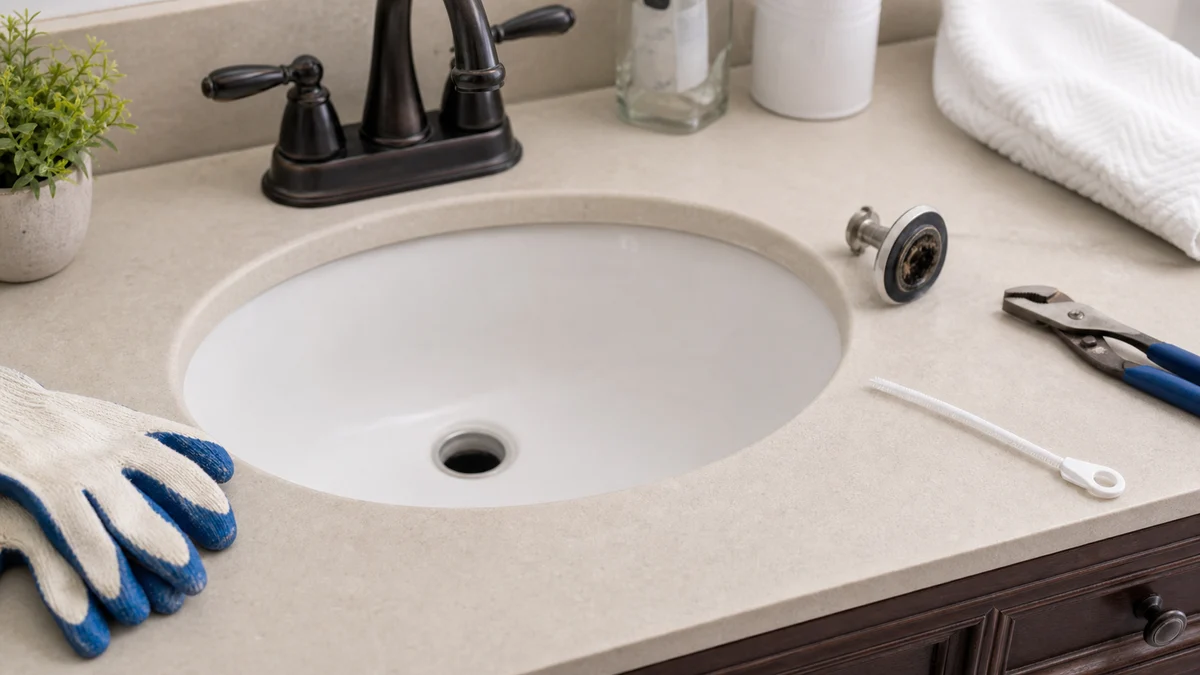
Bathroom sink drain cleaning is usually compared by clog severity, slow-drain symptoms, trap access, product labels, tool choice, and when plumbing help is safer. Simple buildup may be manageable, but recurring clogs, leaks, sewer odor, or multiple slow drains should be treated more carefully.
compare
Bathroom Sink Drain Cleaning
Bathroom sink drain cleaning is usually compared by clog severity, slow-drain symptoms, trap access, product labels, tool choice, and when plumbing help is safer. Simple buildup may be manageable, but recurring clogs, leaks, sewer odor, or multiple slow drains should be treated more carefully.
Evidence references
Sources used for this guide
These sources cover portable-pool scope, child-access barriers, current recall concerns, healthy-swimming chemistry, pool-chemical handling, electrical hazards, and water weight. Local laws and the exact manual may be more restrictive.
- Portable Pools U.S. Consumer Product Safety Commission. Portable and inflatable pool scope, sizes, water volumes, incident context, and voluntary-standard activity.
- Safety Barrier Guidelines for Residential Pools Pool Safely and U.S. Consumer Product Safety Commission. Barrier, gate, above-ground pool, ladder, and child-access guidance.
- 2025 Above-Ground Pool Recall U.S. Consumer Product Safety Commission. Recall of certain 48-inch-and-taller pools with external compression straps that can create footholds.
- Guidelines for Keeping Your Pool Safe and Healthy Centers for Disease Control and Prevention. Drowning, illness prevention, disinfectant ranges, pH range, and testing-frequency guidance.
- Pool Chemical Safety Centers for Disease Control and Prevention. Recommendations for storing, handling, and using pool chemicals without cross-contamination.
- Safe Storage and Handling of Swimming Pool Chemicals U.S. Environmental Protection Agency. Chemical safety alert addressing fires, toxic vapor releases, incompatible materials, storage, and protective measures.
- A Million Gallons of Water: How Much Is It? U.S. Geological Survey. Public conversion reference stating that water weighs approximately 8.34 pounds per U.S. gallon.
- Preventing Electrocutions in Swimming Pools, Hot Tubs and Spas U.S. Consumer Product Safety Commission. Electrical inspection, GFCI, appliance, wiring, and cord safety guidance around pools.
Informational disclaimer
Informational disclaimer
This is an informational guide only and does not provide legal, financial, medical, professional, or official service advice.